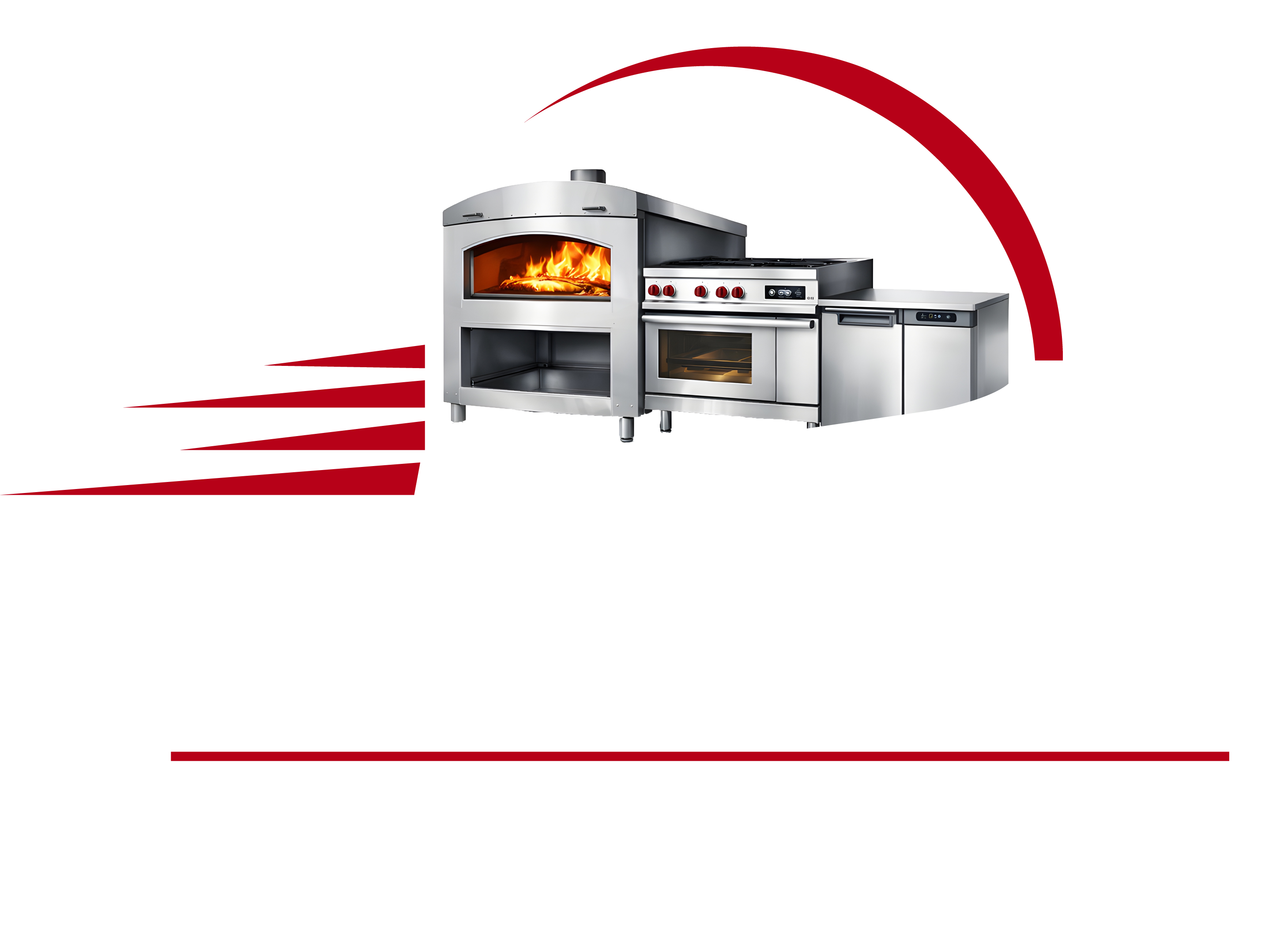
Commercial kitchen equipment is one of the biggest investments a restaurant or bakery makes — and how you treat it day to day has a real impact on how long it lasts. Following a few consistent habits can mean the difference between equipment that performs reliably for over a decade and equipment that needs early replacement. Here's how to make commercial kitchen equipment last longer, drawn from what we see across hundreds of service calls.
Tip 1 — Clean Equipment After Every Shift
This sounds basic, but it's the single biggest factor in commercial kitchen equipment care tips Ontario operators often overlook under time pressure. Grease buildup, food residue, and mineral deposits all accelerate wear on components — and a few extra minutes of cleaning each shift adds up to significantly less strain on your equipment over time.
Tip 2 — Follow Manufacturer's Maintenance Schedule
Every piece of equipment comes with a recommended maintenance schedule, and ignoring it is one of the fastest ways to shorten its working life. Sticking to manufacturer guidance, rather than waiting until something seems wrong, is at the core of any solid commercial equipment servicing Southwestern Ontario program.
Tip 3 — Train Your Staff on Proper Equipment Use
A surprising number of equipment failures trace back to misuse rather than mechanical wear — overloading a mixer, slamming an oven door, or running equipment outside its intended capacity. Taking the time to properly train staff on each piece of equipment reduces preventable damage significantly.
Tip 4 — Replace Worn Parts Before They Fail
Waiting for a part to fail completely often means more damage and more downtime than catching it early. If a technician flags a worn seal, a weakening element, or a part nearing the end of its expected life during a service visit, replacing it proactively is almost always cheaper than an emergency call later.
Tip 5 — Book Professional Servicing Quarterly
Self-maintenance covers the basics, but a trained technician catches issues that aren't visible during routine cleaning — drifting calibration, internal wear, early signs of electrical issues. Quarterly servicing is a reasonable baseline for most commercial kitchens, with higher-use equipment sometimes needing more frequent attention.
Tip 6 — Keep a Repair and Maintenance Log
Tracking what's been serviced, repaired, and replaced — and when — helps you spot patterns. If one piece of equipment is generating repeat repair calls, that's useful information for deciding whether continued repair still makes sense. A maintenance log also supports warranty claims and gives any technician working on the equipment helpful history.
Tip 7 — Know When to Repair vs Replace
Not every repair is worth making. As equipment ages, the question shifts from "can this be fixed" to "should this be fixed." A good rule of thumb: if repair costs are approaching half the cost of replacement, or if a unit is generating frequent repeat calls, it may be time to consider replacement rather than continuing to invest in repairs.
FAQ
- How can I make my commercial kitchen equipment last longer?
Consistent cleaning, following manufacturer maintenance schedules, proper staff training, and proactive part replacement are the biggest factors. - What are some tips to reduce commercial kitchen equipment downtime?
Scheduled maintenance, addressing small issues early, and keeping a service log to track recurring problems all help reduce unplanned downtime. - When should I replace vs repair restaurant equipment?
If repair costs approach half the replacement cost, or a unit needs frequent repairs, replacement is often the more cost-effective choice long-term.