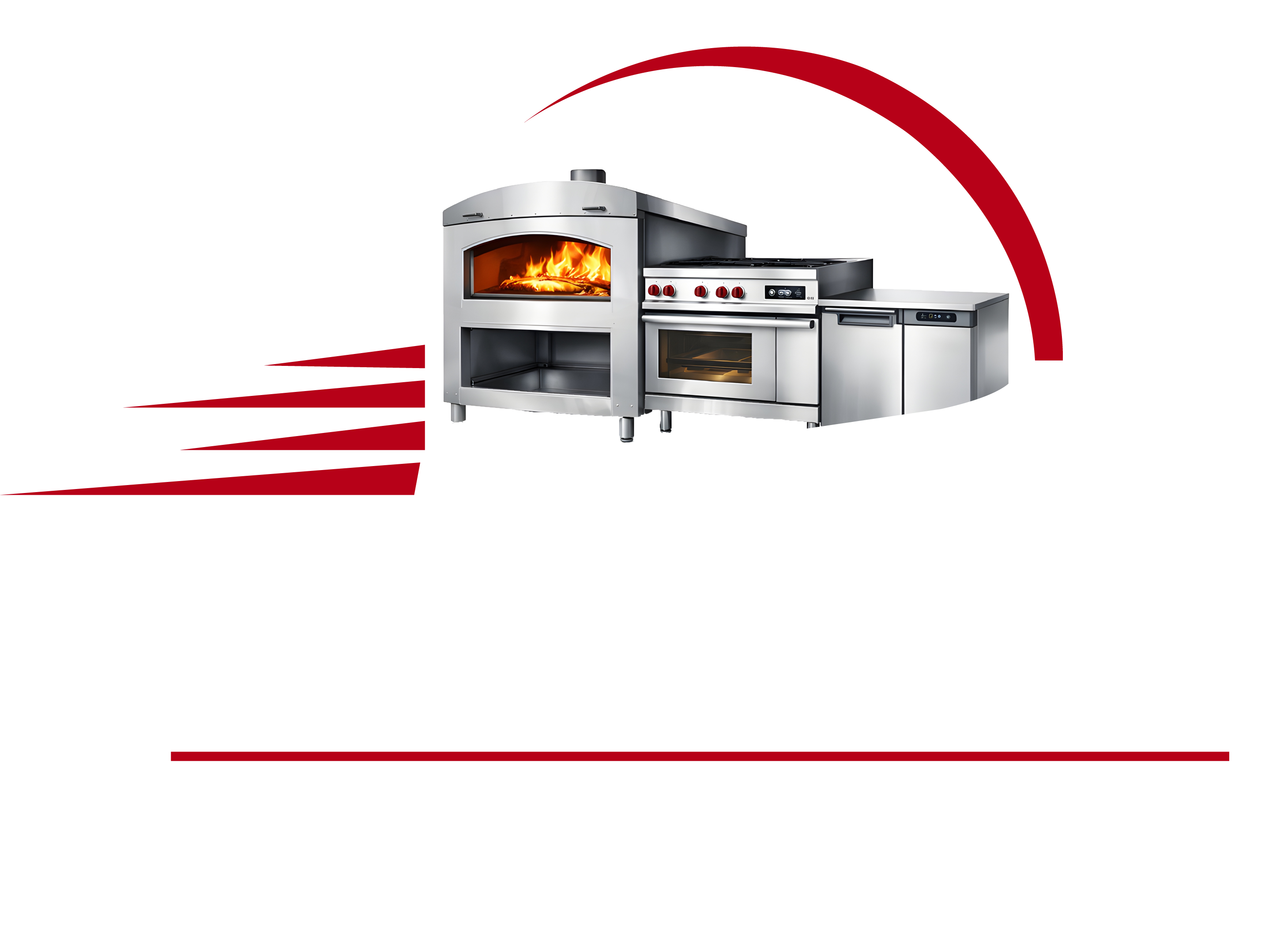
Opening a new restaurant or bakery involves a long list of moving pieces, and equipment installation is one of the most important — and most commonly underestimated. Done right, proper installation sets your kitchen up to perform from day one. Done wrong, it can mean failed inspections, voided warranties, or safety issues down the line. Here's a practical restaurant equipment installation checklist Ontario operators can use when planning a new kitchen.
Step 1 — Planning Your Kitchen Layout and Equipment List
Before any equipment arrives, you need a finalized layout that accounts for workflow, ventilation, gas and electrical access points, and code clearances around heat-producing equipment. Trying to retrofit a layout after equipment is delivered usually costs more time and money than planning it properly upfront.
Step 2 — Gas vs Electric — What You Need to Know
Whether you're installing gas cooking equipment installation Brantford style or going electric, the decision affects everything from utility hookups to ventilation requirements. Gas equipment generally offers faster heat response but requires certified installation and gas line work; electric commercial kitchen equipment installation Ontario kitchens choose often has lower upfront installation complexity but different ventilation and electrical load considerations.
Step 3 — TSSA Regulations for Ontario Commercial Kitchens
Any gas-fired commercial kitchen equipment in Ontario must be installed by a TSSA certified technician commercial kitchen install professionals are trained for. This isn't optional — non-compliant gas installations can fail inspections, void insurance coverage, and create real safety hazards. Make sure whoever handles your installation carries current TSSA certification.
Step 4 — Equipment Delivery and Placement
Coordinating delivery timing with your construction or renovation schedule matters more than most new owners expect. Equipment delivered too early can be damaged or in the way of other trades; delivered too late, it delays your opening. Proper placement also needs to account for service access — technicians need room to work on equipment for future maintenance and repairs.
Step 5 — Professional Installation and Commissioning
This is where equipment actually gets connected, leveled, and tested. Commissioning means confirming the equipment reaches proper operating temperature, gas and electrical connections are secure and code-compliant, and safety systems function correctly before the unit goes into regular use.
Step 6 — Post-Installation Testing and Sign-Off
Before opening day, every piece of new equipment should be tested under real operating conditions — not just powered on, but run through its actual functions. This is also the point where any documentation needed for inspections or insurance should be finalized and kept on file.
Common Installation Mistakes to Avoid
The most frequent issues we see: inadequate clearance around equipment leading to ventilation or fire code problems, mismatched gas line sizing causing pressure issues, skipping commissioning and discovering problems mid-service instead, and using uncertified installers for gas equipment — which can create both safety and compliance issues that are expensive to fix after the fact.
FAQ
- How do I install commercial kitchen equipment in Ontario legally?
Gas-fired equipment must be installed by a TSSA certified technician. Electrical work should also meet Ontario Electrical Safety Code requirements. - What's on a restaurant equipment installation checklist?
Layout planning, gas/electric decisions, TSSA-compliant installation, proper delivery coordination, commissioning, and post-installation testing. - Do I need a TSSA certified technician for commercial kitchen installation?
Yes, for any gas-fired equipment. It's both a legal requirement and a safety necessity in Ontario.